

HELOC vs Home Equity Loan: What's the Difference?
Both Borrow Against Your Equity, Structured Very Differently
Both let you borrow against your home's equity, but a home equity loan gives you a lump sum with a fixed payment, while a HELOC works more like a credit card -- a revolving line you draw from as needed.
Home Equity Loan: A Lump Sum
You receive the full loan amount upfront, at a fixed interest rate, with a set monthly payment over a fixed term -- straightforward and predictable, well suited to a single large, known expense (like a major renovation with a fixed budget).
HELOC: A Revolving Line of Credit
A HELOC gives you access to a credit line you can draw from over time, typically with a variable interest rate. Most HELOCs have a draw period (often interest-only payments) followed by a repayment period (principal + interest). See the HELOC Payment Calculator for an interest-only draw-period estimate.
Which Fits Your Situation?
A home equity loan tends to suit a single, known expense with a fixed budget. A HELOC tends to suit ongoing or uncertain expenses (a multi-phase renovation, a financial cushion) where you don't want to borrow -- and start paying interest on -- more than you actually need at any given moment.
How Much Can You Actually Borrow?

Lenders generally look at your combined loan-to-value ratio, which compares your existing mortgage plus the new loan against your home's appraised value. Many lenders cap that combined figure below 100 percent, so you keep some equity as a cushion. Here is a hypothetical example: if a home is worth $400,000, the current mortgage balance is $220,000, and a lender allows borrowing up to 80 percent combined, the total allowed would be $320,000. Subtracting the $220,000 mortgage leaves about $100,000 available. The actual percentage cap varies by lender and by your credit and income, so treat this as an illustration and ask for real terms.
A Simple Payment Comparison
Imagine borrowing $40,000 for a kitchen remodel. With a home equity loan, you receive all $40,000 at once and start making the same fixed payment each month, so your interest cost is set from day one. With a HELOC, you might draw $15,000 for the first phase, $15,000 later, and $10,000 at the end, paying interest only on what you've actually drawn at each point. If the HELOC's variable rate rises, your payment can rise as well. These amounts are hypothetical; the point is that a HELOC costs less when spending is spread out, while a loan gives certainty about the payment.
Costs and Terms to Compare
- Interest rate type: fixed for most home equity loans, usually variable for a HELOC, though some lenders let you convert part of a HELOC balance to a fixed rate.
- Closing costs and fees: can include appraisal, application, or origination fees, annual fees, and early closure fees. Ask for a full fee list in writing.
- Draw and repayment periods: know how long you can borrow and how the payment changes when repayment begins.
- Rate caps: for variable-rate products, ask what the maximum rate and the maximum adjustment can be.
- Minimum draw or balance requirements, which some HELOCs impose.
The Serious Risk: Your Home Is the Collateral
Both products are secured by your house. If you can't keep up with payments, the lender may be able to foreclose, which isn't the case with an unsecured personal loan or credit card. Before borrowing, consider whether you could afford the payment if rates rose, if your income dropped, or if home prices dipped and you owed more than expected. Using home equity for long-lasting improvements or consolidating high-interest debt can make sense in some cases, but using it for spending that doesn't build lasting value deserves extra caution. Also remember that if you consolidate credit card debt into a HELOC and then run up the cards again, you've added risk without solving the underlying issue.
Tax Considerations
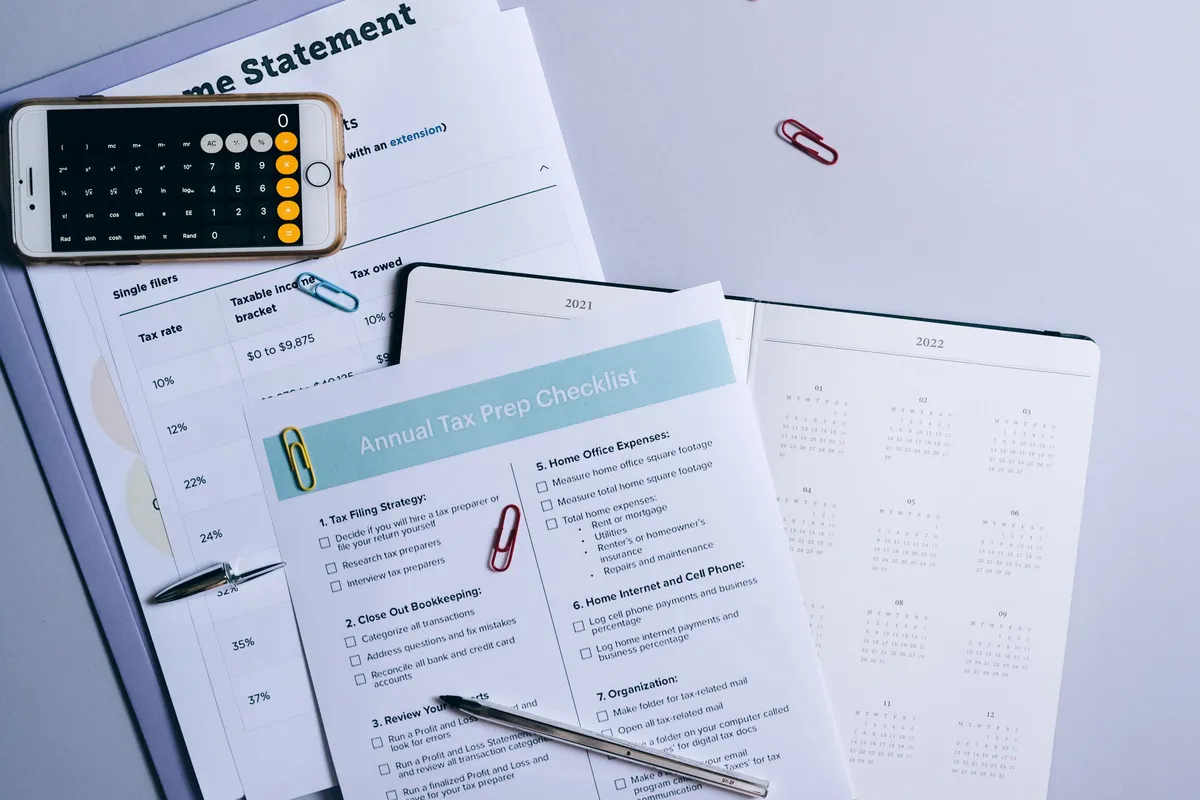
Interest deductibility for home equity borrowing depends on how the money is used and on current tax law, and the rules have changed in recent years. In general, interest may be deductible when the funds are used to buy, build, or substantially improve the home securing the loan, subject to limits and other conditions. Check current IRS guidance or ask a tax professional before assuming any deduction.
Alternatives Worth Comparing
- A cash-out refinance, which replaces your mortgage with a larger one. It can make sense if current rates are attractive, but not if it means giving up a lower existing rate.
- A personal loan, which is unsecured and usually has a higher rate but doesn't put your home at risk.
- Saving up and paying cash, which avoids interest entirely if the project can wait.
When to Get Advice
Shop with multiple lenders, including credit unions, and compare offers in writing. If a lender pressures you, promises approval before reviewing your finances, or offers unusually high fees, be careful. A HUD-approved housing counselor or a fee-only financial planner can review your options at low or no cost.
Questions to Ask Every Lender
Ask what the total fees will be, whether there is a prepayment or early closure charge, how the variable rate is set, what the maximum rate can reach, how long the draw period lasts, and what your payment would be at the start of repayment. Also ask whether the lender requires a full appraisal or accepts a faster valuation, since that affects timing and cost. Getting the same set of answers from at least three lenders makes it much easier to compare offers fairly.
Planning How You'll Repay It
Whichever product you choose, write down your repayment plan before you sign. For a HELOC, decide whether you'll pay only the interest during the draw period or put extra toward principal, since the payment can jump when repayment begins. For a home equity loan, confirm the term fits your budget with room to spare. In both cases, consider keeping an emergency fund intact, so that an unexpected expense doesn't put your ability to make these payments at risk.
Frequently Asked Questions
Does my HELOC payment stay the same the whole time?
No -- most HELOCs move from a lower interest-only payment during the draw period to a higher payment (including principal) during the repayment period, and the rate itself is usually variable and can change over time.
Does a HELOC affect my first mortgage?
It's a separate loan, generally in second position behind your first mortgage. Your first mortgage terms stay the same, but you'll have two payments and two liens on the property.
How long does it take to get a HELOC or home equity loan?
It varies by lender, but it usually takes several weeks because of the application, appraisal, and underwriting. Ask your lender for a timeline.
Can I pay off a HELOC early?
Often yes, though some lenders charge an early closure fee if you close the line within a set period. Check the terms before signing.
What credit score do I need?
Requirements vary by lender. Better credit and lower debt-to-income ratios generally lead to better rates, so ask several lenders what they require.
Comments (0)
No comments yet. Be the first to share your thoughts.