
How to Calculate Concrete for a Home Project
Getting the Estimate Right Saves a Second Trip (Or Wasted Money)
Underestimating means a second trip to the supplier mid-pour -- a real problem for concrete, which doesn't wait. Overestimating wastes money on material you didn't need. Getting the math right the first time matters more here than for most home projects.
The Basic Formula
Volume = length × width × thickness, converted to cubic yards (the unit concrete is typically priced and ordered in). Since slab thickness is almost always specified in inches while the footprint is measured in feet, unit conversion is part of the calculation, not just the multiplication itself.
Calculating Your Pour
Use the Concrete Calculator with your length, width, and thickness for an instant cubic yard and cubic foot result.
Why a Waste Factor Is Standard Practice
Contractors routinely add a waste allowance -- commonly around 10% -- to cover spillage, an uneven subgrade, and minor over-excavation. Ordering the exact theoretical volume with zero buffer is a common mistake that often leads to a frustrating mid-pour shortage.
Different Shapes Need Different Formulas
A rectangular slab, a round column (Sonotube), and steps each need their own geometry-specific calculation -- browse the full Concrete Calculators category for the shape that matches your specific project.
A Worked Example: A Patio Slab
Say you're pouring a patio 12 feet long, 10 feet wide, and 4 inches thick. Convert the thickness to feet first: 4 ÷ 12 = 0.333 feet. Volume is 12 × 10 × 0.333 = 40 cubic feet. There are 27 cubic feet in a cubic yard, so that's about 1.48 cubic yards. Add a 10% buffer and you'd order roughly 1.63 yards, which most suppliers will have you round up to the next practical increment. The mistake to avoid is skipping the inch-to-foot conversion: multiplying 12 × 10 × 4 gives 480, which is meaningless until the units agree.
Choosing the Right Thickness
Thickness drives both strength and cost, since every extra inch adds volume across the whole slab. Many residential patios and walkways use about 4 inches, while driveways and areas that carry vehicles are commonly poured thicker, and some designs add reinforcement such as wire mesh or rebar. Requirements vary by local building code and soil conditions, so confirm the specification with your local building department or a contractor rather than picking a number from a general guide.
Preparing the Site Before You Order
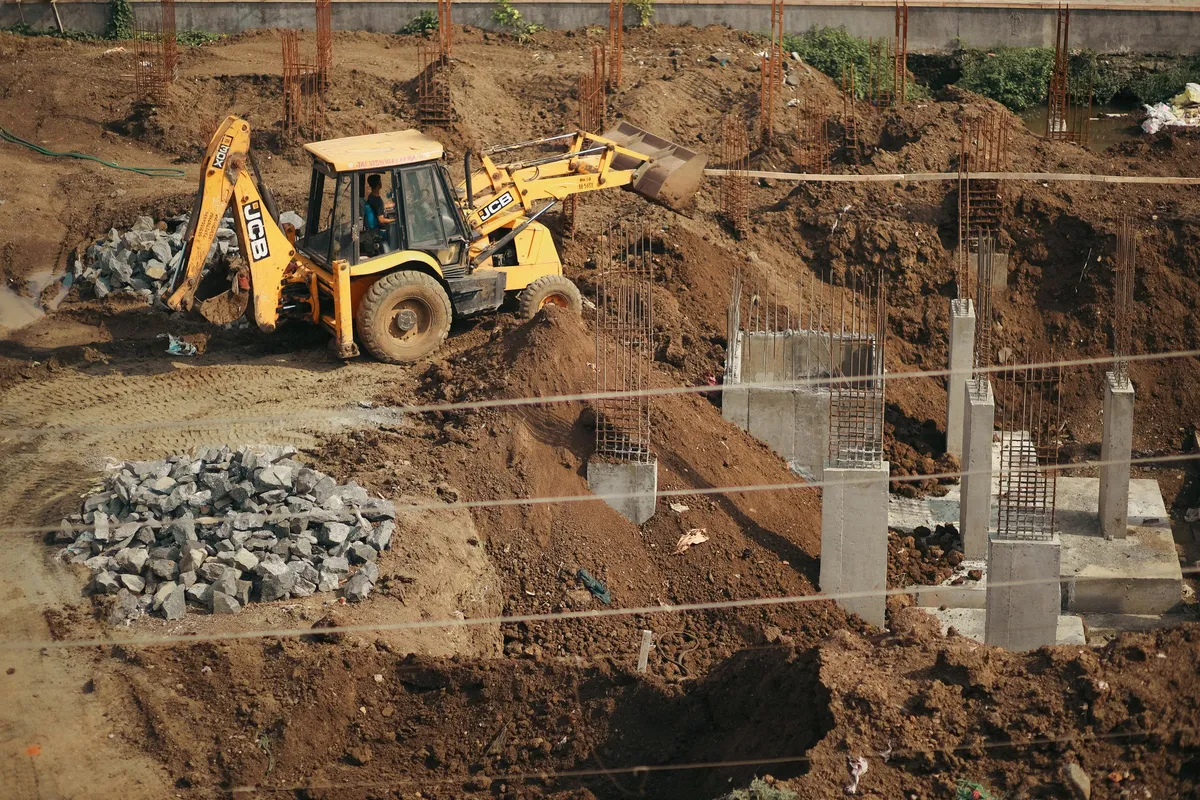
A pour is only as good as the base beneath it. Most projects need the area excavated to depth, a compacted gravel sub-base, and forms set to hold the concrete at the right height and slope for drainage. The depth of your sub-base counts toward the excavation but not toward the concrete volume, so measure the concrete thickness separately from the total dig depth. Getting the forms level and square before ordering also keeps your measured dimensions accurate.
Ordering: Bags, Ready-Mix, or a Mixer
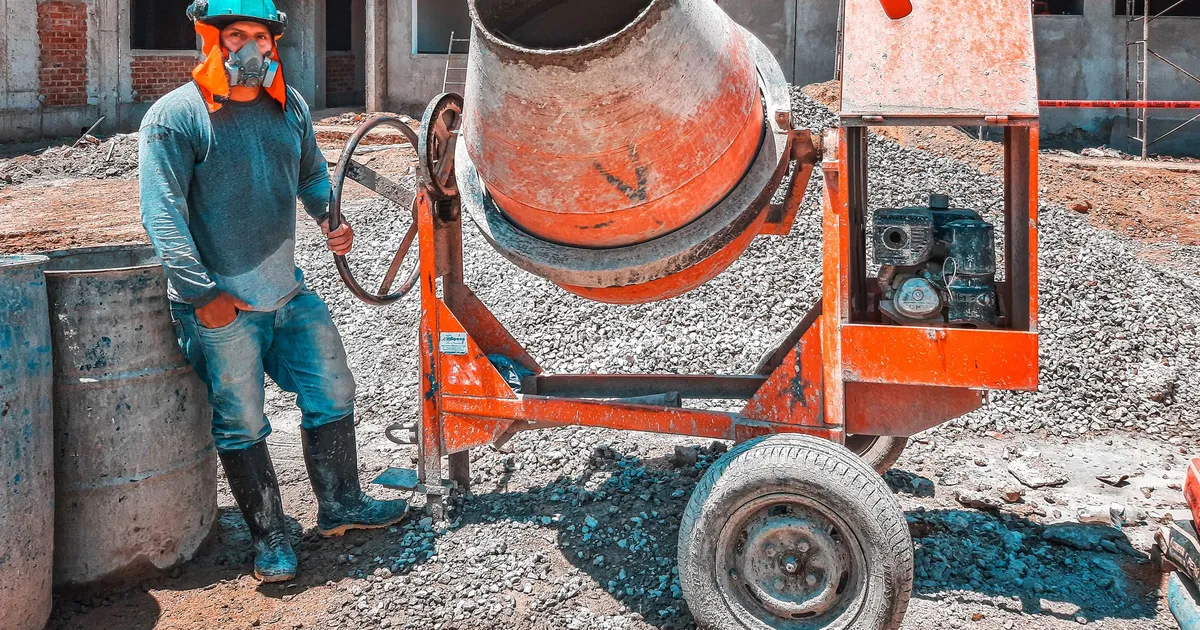
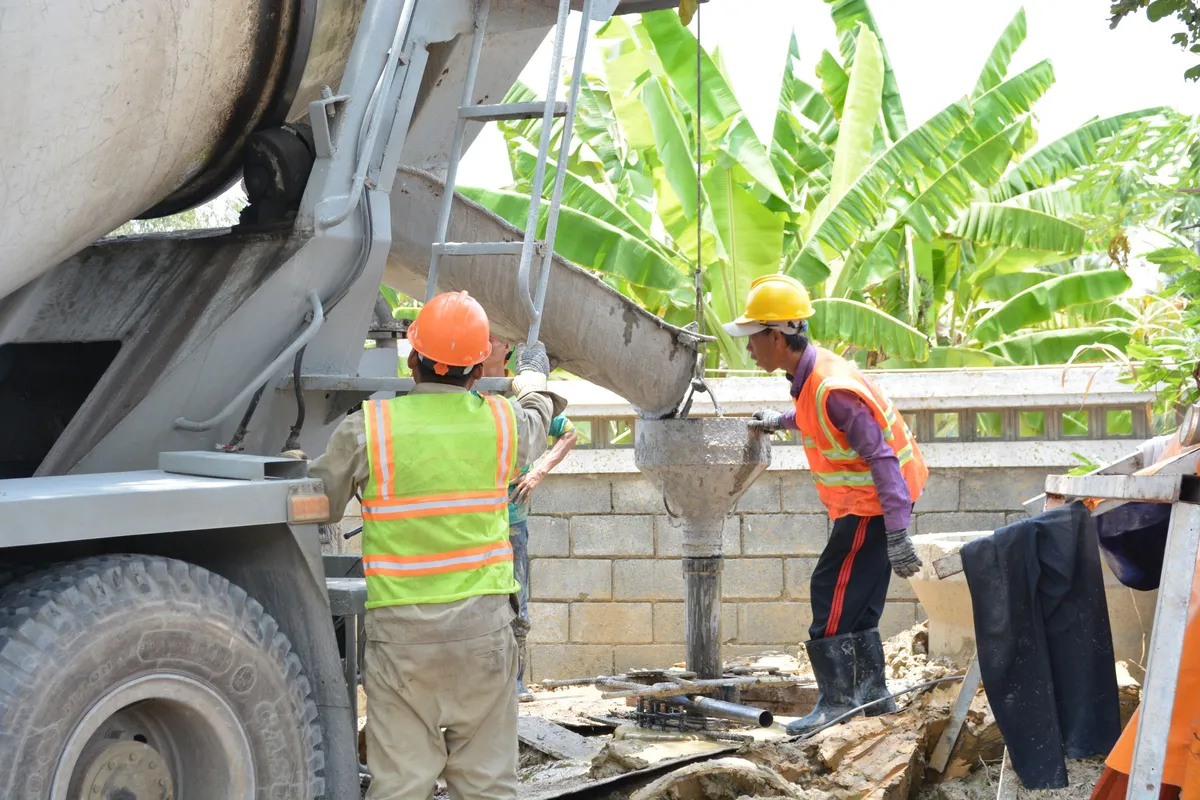
Small jobs are often done with bagged mix, where you can divide the total volume by the yield printed on the bag to find how many bags to buy, then add your buffer. Larger pours are usually cheaper and more consistent delivered as ready-mix by truck, which is sold by the cubic yard and often has a minimum load and a fee for short loads. Ask the supplier about delivery windows, since concrete begins setting soon after mixing and you'll want helpers and tools ready when the truck arrives.
Estimating Cost Before You Commit
Once you know the volume, request quotes from at least two suppliers, since ready-mix pricing varies by region and by delivery distance. Ask what is included: the price per yard, fuel or delivery surcharges, extra charges for small loads, and any fee if the truck waits longer than a set time. Add the cost of forms, gravel, reinforcement, finishing tools, and any rental equipment, and you'll have a realistic total instead of a concrete-only figure that understates the project.
Safety and Finishing Basics
Wet concrete is caustic and can burn skin, so wear gloves, waterproof boots, and eye protection, and rinse splashes promptly. After placing the concrete, screed it level, let the surface water sheen disappear before troweling, and finish according to the surface you want, such as a broom finish for traction outdoors. Timing is the hard part for first-timers, which is another reason to line up helpers before the truck comes.
Common Mistakes to Avoid
The most frequent errors are forgetting to convert inches to feet, ignoring the waste factor, measuring the excavation instead of the slab, and forgetting that a sloped or uneven subgrade needs extra material. Another is pouring on a day that's too hot, too cold, or about to rain, which can affect curing more than a slightly wrong quantity. Double-check your measurements, run them through the calculator, and confirm the final order with your supplier before the truck is scheduled.
Frequently Asked Questions
How do I convert cubic feet to cubic yards?
Divide cubic feet by 27, since a cubic yard is 3 feet by 3 feet by 3 feet. For example, 54 cubic feet is exactly 2 cubic yards.
How long does concrete take to cure?
It typically hardens enough to walk on within a day or two, but reaches most of its strength over about four weeks. Keeping it damp and protected during early curing helps prevent cracking, and weather can change the timeline.
Do I need control joints in a slab?
Most slabs use control joints, cut or tooled at regular intervals, so that shrinkage cracks form along planned lines instead of randomly. Spacing depends on thickness and design, so follow your contractor's or local guidance.
Can I pour concrete in cold or hot weather?
Yes, but both extremes affect setting and strength. Freezing temperatures can ruin an unprotected pour, and high heat can make concrete set too fast. Suppliers can advise on additives and precautions for your conditions.
Should I always use a 10% waste factor?
It's a reasonable general-purpose default, but if your supplier or contractor gives you a project-specific recommendation, use that instead -- some situations (very irregular shapes, inexperienced DIY pours) warrant a larger buffer.
Comments (0)
No comments yet. Be the first to share your thoughts.